-
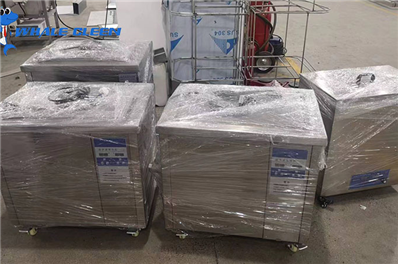 Ultrasonic Cleaning Machines for PCBs: Applications and Methods to Improve Cleaning Efficiency
Ultrasonic cleaning machines have been widely used in the electronics industry for cleaning printed circuit boards (PCBs) due to their ability to remove dirt, grease, and other contaminants from delicate surfaces. However, to achieve optimal cleaning resu
-
 Ultrasonic Cleaning Machine for Thin Blades: How Precision Cavitation Cleans Without Deformation
Thin blades—turbine foils, compressor vanes, surgical cutting edges, semiconductor lead frames—share a common cleaning dilemma. Contaminants cling to surfaces that cannot tolerate brushing, scraping, or high-pressure spray. A blade thin enough to flex bet
-
 Sensor Metal Housing Cleaning: Ultrasonic vs. Spray—Where the Difference Actually Lives
A sensor housing comes off the machining line with cutting oil, metal fines, and oxidized particles packed into thread roots, blind-hole bottoms, and mating seams. It goes through a spray washer, comes out looking clean, and passes a visual check. Weeks l
-
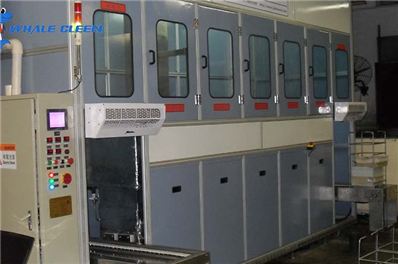 Ultrasonic Cleaning Machine: Solving the Micro-Hole Contamination Challenge in Sensor Housings
In automotive, aerospace, industrial automation, and electronics manufacturing, sensor housings are everywhere. These components often feature micro-holes, blind holes, internal channels, and threaded ports. During machining, stamping, molding, or assembl
-
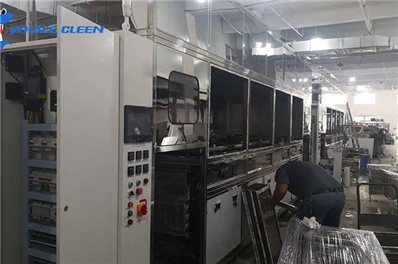 Ultrasonic Cleaning Machine: How to Remove Thick Oxide Scale Without Acid Pickling
Thick oxide scale is one of the most stubborn contaminants in industrial parts cleaning. It forms on steel, castings, forgings, and welded components after heat treatment, hot rolling, or high-temperature processing. In many plants, the default solution i
-
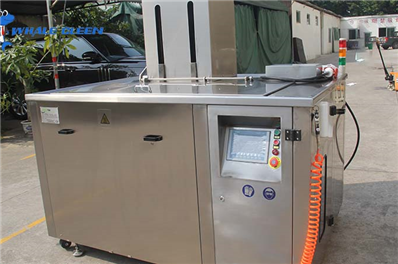 How Ultrasonic Cleaning Reaches the Thread Roots of Micro-Fasteners for Deep Chip and Oil Removal
In precision manufacturing, few challenges are as persistent—or as costly—as cleaning micro-fasteners. Screws, bolts, and threaded inserts with diameters under M2 feature intricate geometries: narrow thread valleys, blind holes, and sharp internal corners
-
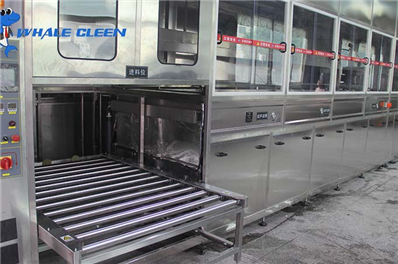 Can One Ultrasonic Cleaning Machine Really Solve Water Stain and Oxidation Problems on Die-Cast Parts?
Walk into any die-casting facility, and you will hear the same frustration from quality control inspectors and production managers alike. Aluminum die-cast parts emerge from the cleaning line looking perfectly clean—only to reveal white spots, cloudy patc
-
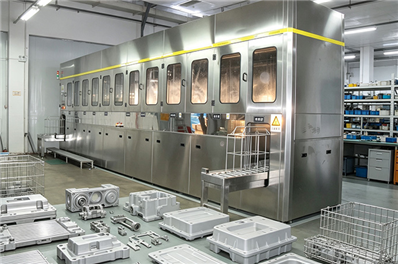 How Many Types of Electroplating Hardware Blanks Can One Ultrasonic Cleaning Machine Handle?
Walk into any hardware electroplating facility, and you will see a staggering variety of workpieces moving through the production line. Stamped brackets, machined housings, threaded fasteners, die-cast components, precision turned parts—each with its own
-
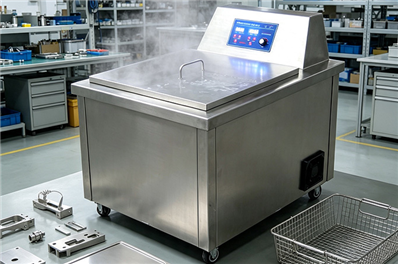 Ultrasonic Cleaning Machine: How Powerful Is It Really? A Shocking Test in Hardware Electroplating Pretreatment
If you have ever walked through a hardware electroplating line, you have seen the frustration firsthand. Parts come out of the bath with patches of peeling plating. Edges look dull. Blind holes show signs of uneven coverage. The plating bath chemistry is
-
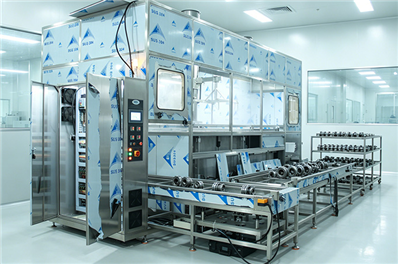 Thread Tap Residue Ruining Precision? How Ultrasonic Cleaning Eliminates Cutting Paste Without Damaging Thread Accuracy
In precision machining, few operations are as demanding as thread tapping. The cutting paste—a thick blend of lubricants, extreme-pressure additives, and fine abrasive particles—is essential for protecting taps and achieving clean thread profiles. But aft
-
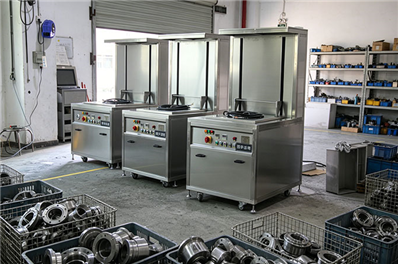 From Dirty to Spotless: How Long Does Ultrasonic Automatic Cleaning Take for a Multilayer PCB?
Walk onto the floor of any PCB assembly shop, and you will see it: boards fresh off the soldering line, covered in flux residues, ionic contaminants, and microscopic debris. The clock is ticking. Production schedules depend on getting these boards clean—f
-
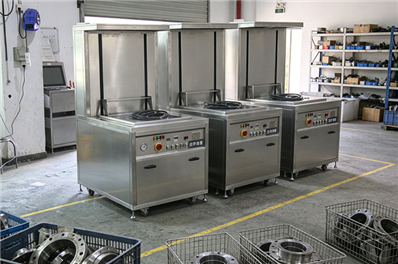 Why Are Leading Manufacturers Switching to Industrial Ultrasonic Automated Cleaning Machines for PCB Cleaning?
Walk into any modern electronics manufacturing facility, and you will notice a striking pattern. The factories that consistently deliver high-quality PCBs—with minimal defects, predictable throughput, and low rework rates—have one thing in common: they ha